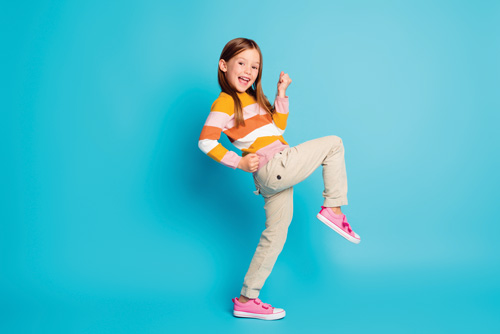
There are many lessons we teach our children: from how to be kind to others, to being diligent in their studies. But the most important lesson we need to teach them is how to love and accept themselves.
As role models, we want to instill ultimate body positivity into our little ones, so that they can walk confidently on the runway of life and withstand any external criticism.
Here are the top three body positivity lessons to teach your children and help them develop and sustain their body confidence.
Everyone is beautiful in their own way
Before you even start teaching your little ones how to love their bodies, you need to instil in them a healthy perception of beauty. As the pure creatures they are, they probably already have an inner understanding that everyone is beautiful in their own way. In order to keep them open-minded about beauty standards, untouched by certain pressures from society, you need to emphasise on that. Explain to them just how diverse we are and how beautiful that is. No matter what our skin type or body size is, we are all equally beautiful and worthy. It’s likely that they will start asking you questions about people’s skin colour or disabilities, and it’s your job to emphasise the equality of beauty.
Activity idea: Take your children to the beach and observe people. Explain to them about different body shapes, skin colours and genders, and ask them to name what they find beautiful in other people. It’s likely that one of the first thing they’ll notice will be the vibrant designer bikinis people are wearing, as children are easily attracted by colour and patterns. Point to the fact how they look different on people, yet everyone is beautiful and wearing them with confidence.
By addressing any preconceptions about beauty norms from a young age, it’s likely that you will raise kind and compassionate people, who can help make this world a better place.
Self-acceptance
Your children can’t love their bodies if they’re not familiar with how they work. This is your chance to give them a few anatomy lessons.
Alongside explaining the physiology of their bodies, teach them to accept them as they are. Just like everyone is different, they could also have some features that don’t exactly fit into the ‘norm’, and that’s perfectly okay.
Young people who have a support network of friends and family will find self-acceptance easier no matter what issues arise, so that they feel more confident in their bodies.
Activity idea: Ask your children to write a list of things they love about their bodies and why, as well as things they’re good at. This will remind them that self-acceptance isn’t just about their appearance, it’s about their talents too!
Foster a healthy relationship with food
Food is fuel, and it’s vital for children to cultivate a healthy relationship with it from a young age. The earlier they learn to make healthy choices and honour their food, the easier it will be to maintain healthy eating habits in the future.
Often, children can be fussy eaters for whatever reason, but luckily, there are ways you can make food fun and a social activity that brings friends and family together.
During your children’s upbringing, it’s important that they consume all the vital nutrients and minerals to best support their growth. Use the dinner table as a place to educate them on what a balanced diet is and how to appropriately portion their meals and snacks. Explain why fruits and vegetables are important and how good they make us feel.
The best thing you can do is teach your children how to eat intuitively, meaning that they consume food when they’re hungry and stop eating when they’re full. That’s the healthiest relationship with food they can ever have.
Activity idea: Turn your nutritional lessons into a fun game by organising the foods your family eats into three groups – ‘always’, ‘sometimes’, and ‘rarely’. Nutritious foods, such as fruits, vegetables, and protein, go in the ‘always’ category. The ‘sometimes’ category can include things like a takeaway while the ‘rarely’ group can consist of sweets and crisps. Explain why these foods fall into each category. For example, crisps might taste delicious, but they’re full of fats and sugars, which are unhealthy.
Every time you have a meal or do your weekly food shopping, ask your children to class the foods they see and say why. The important thing is that you’re not restricting them from having any of the foods in these categories!
Establishing a positive body image in your children from a young age will help them have the confidence to be and do who they want. It will also help them have a better understanding of why everyone is different and unique, appreciating the world for the beautiful and diverse place it is!
For further information visit www.heidiklein.com
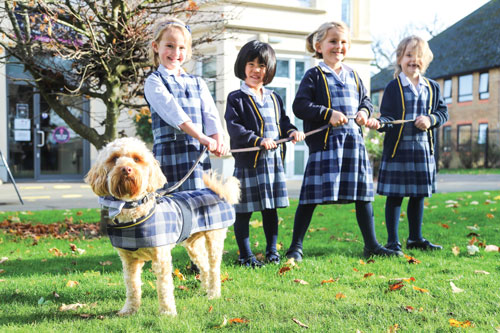


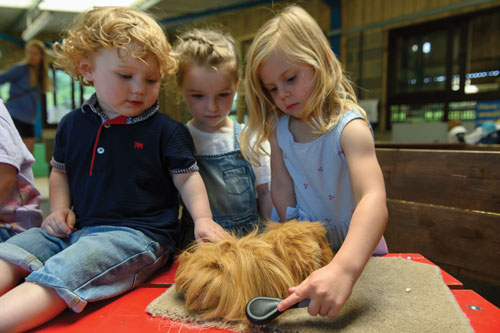
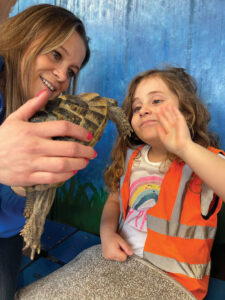 Animals also provide children with lessons about life (reproduction, birth, illnesses, accidents, death, and bereavement). Children have the opportunity to see lambs being born and eggs hatching. Animals provide knowledge in biology. When children spend time around the different animals they begin to understand basic biology and how that translates between animal species. Activities like grooming animals and feeding them, understanding what they eat and how food is digested, develops children’s knowledge and of course, children love discussing poo!

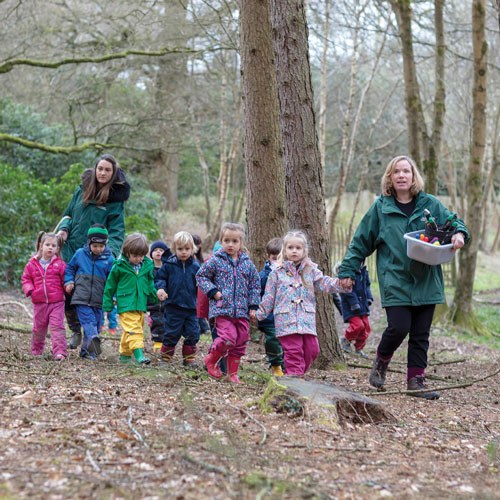
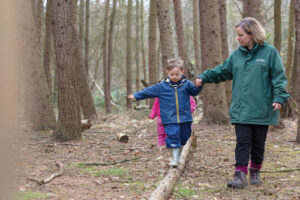 Helping schools to enhance their outdoor learning offering and ensure children can enjoy meaningful and effective lessons, the Forest School Association offers a national accreditation that schools can apply for to deliver both structured and unstructured outdoor sessions. At our school, we have a long-established Forest School programme, led by our own Forest School accredited teachers and trainers, who are able to deliver valuable outdoor sessions for children from the age of two upwards.
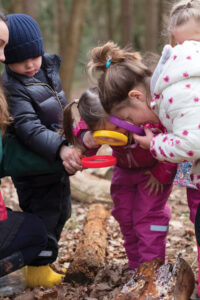 r experience, we have found that outdoor learning is particularly beneficial for younger children. They are given the space to be active and enjoy being noisy and messy, while engaging in play-based learning and exploration. With activities based on small, achievable steps, spending time outside helps to increase self-confidence and independence in the early years. Additional benefits of outdoor learning for younger children include improving their focus and attention, while physically helping to improve their balance, co-ordination and fine motor skills.