

Forest Schools are an exciting opportunity for children to learn with their hands. The sessions, which are non-academic and led by a qualified instructor, encourage outdoor education in a controlled setting. This can come in a range of forms, from group treasure hunts to woodland building exercises.
These schools encourage children to ditch the computer screen and spend more time outdoors – and considering children aged five to seven years old spend an average of four hours behind a screen every day, the need for outdoor education has never been clearer.
In fact, Forest Schools are actually becoming an increasingly popular choice for parents across the UK. According to a survey of 200 establishments by the Forest School Association (FSA), two-thirds have seen a rise in requests for places since March 2020.
Here, we will explore four skills that children develop when attending Forest Schools. If you’re a parent searching for ways to stimulate your child’s development, these schools may be the solution for you and your family.
Social and communication skills
Forest Schools are a great way for children to socialise with their peers. Whether they’re jumping in muddy puddles or foraging for wild berries, children are able to work within a team and complete their tasks. In fact, research from Plymouth University found that 93% of Forest Schools believed children developed their social skills whilst enrolled.
Moreover, Forest Schools are an opportunity to meet new children. The average number of pupils in Reception and KS1 classrooms is 26.6, according to GOV UK. Forest Schools introduce a new selection of children who may be from different backgrounds or be of different ages. This better prepares children for meeting more diverse groups of people in later life.
Confidence and independence
If your child exhibits any signs of social anxiety, it may be harder for them to take part. However, participating in Forest Schools can actually boost confidence. This is a slow process that will progress over time, and it is different for each child.
A sense of independence is particularly important for children. As well as building the social skills to work well within a team, Forest Schools offer children the chance to complete tasks by themselves. This includes a range of activities, such as charting the species of plants or flowers they find in a specific outdoor area.
Motor and cognitive abilities
More often than not, traditional schools focus on academic education. There are physical education (or PE) lessons, but these do not make up the bulk of the day. Instead, children practise their literacy and numeracy skills within the confines of a classroom.
In comparison, Forest Schools allow children to stay active. Not only is this regular exercise important for bone and muscle strength, but it is also instrumental in developing childhood motor skills. It doesn’t matter if the sun is shining or rain clouds are looming, children are able to boot up in wellies and let the outdoor learning commence.
Physical activity could also improve cognitive function in children. These include the ability to recall information and flexible thinking. This is beneficial for many areas of life, including excelling in traditional schools.
A sustainable mindset
Sustainability is at the forefront of society. As the nation strives to achieve net-zero, teaching children about the environment has never been more important. After all, they are the future minds of tomorrow, and we should continue to educate them as best as we can.
Forest Schools may be the answer. During these lessons, children develop a sustainable mindset. This is a lot more likely than a child who spends most of their time inside, whether this is at home or in a classroom.
These are four skills children can attain after attending Forest Schools. In addition to the many benefits, this is a time for children to have fun. If they learn something along the way – from the importance of ecology, to the ability to work well in a team – that is a welcomed bonus. When will you enrol your child in Forest Schools?
Article supplied by www.muddypuddles.com
Sources: www.positive.news – www.ecoactive.org.uk – www.explore-education-statistics.service.gov.uk – www.highspeedtraining.co.uk – www.ntu.ac.uk www.rubicon.com
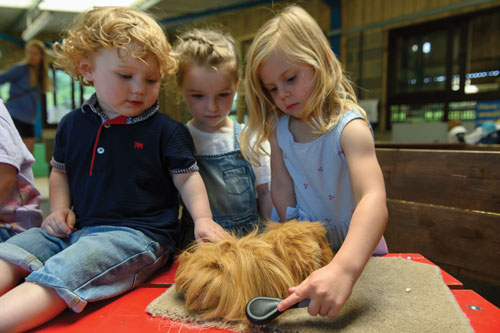
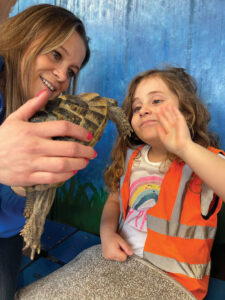 Animals also provide children with lessons about life (reproduction, birth, illnesses, accidents, death, and bereavement). Children have the opportunity to see lambs being born and eggs hatching. Animals provide knowledge in biology. When children spend time around the different animals they begin to understand basic biology and how that translates between animal species. Activities like grooming animals and feeding them, understanding what they eat and how food is digested, develops children’s knowledge and of course, children love discussing poo!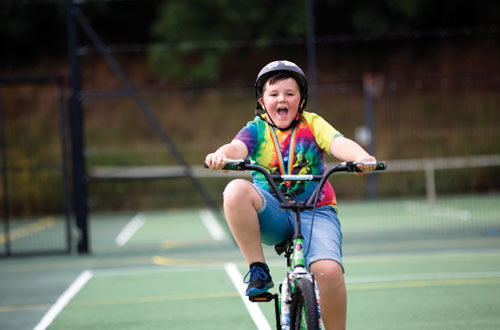
 gular physical activity also has links to increased happiness, as well as giving children more opportunities to make friends and social connections.


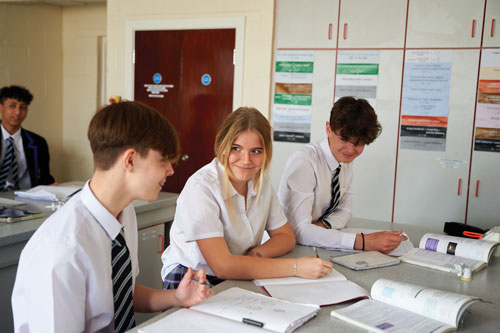
 I chose coeducational settings for my daughters because all of the above questions I asked so earnestly when they were three, and we were thinking about starting school, were just as relevant at senior transition and predictably as true now in adulthood. The difference now is that in life there is little or no option to choose a single sex environment and so rewinding to the start of school for them, I wanted them to be ready to understand what it feels to live, work and thrive in a coeducational environment. The careers that two of my daughters have subsequently chosen are traditionally male dominated ones and the fact that they earned their stripes in the classroom, alongside boys, means that they are well placed to prosper in these environments. They step forward, they know the value of their ideas and they allow no one, regardless of gender, to speak over them. It’s not easy but it is a skill carefully practised and honed and it is one which is being practised and honed in classrooms up and down the country.