You’ve welcomed a new bundle of joy into the family, and you’re excited to create a lifetime of memories with them. You know you’ll never forget all of the firsts that are about to come, but your baby won’t remember them. You’re planning on creating a scrapbook to memorialise their first year of life so you can share it with them when they’re older. But where do you start?
Here, we have some top tips for putting together your baby’s first-year scrapbook.
Fill the pages with photos
Of course, when it comes to scrapbooks, photos are the first place to start. You’ll want to document how your tot has grown in their first year – because, believe us, they grow so fast! Whether you take photos on your smartphone or a professional camera, you can get them printed easily to stick in your scrapbook.
If you have family members or friends who’ve documented some special occasions, such as their first visit to see your new baby or a day out at the park, get them to send you their pictures. The more the merrier.
Save some scraps
The great thing about scrapbooks is that you can include different items. You’re not just limited to photos. Why not save some scraps from your little one’s first baby blanket, mittens, or hats? The different textures will not only make their scrapbook interesting but it offers a multimedia experience. They’ll love feeling how soft their first blanket was!
You could also include hand and footprints or even a lock of their hair to add some interest to their scrapbook. Putting in real scraps from their first items is also a great way for you to relive the joy of having a newborn. The colours, patterns, and texture of these items will transport you back to those joyful memories even as you create new ones with your child.
Order it by month
From the month they were born and the countless adorable photos of them when they’d barely opened their eyes to their first birthday, documenting the whole year will fill the scrapbook with all their firsts and some unforgettable moments.
If you order it by month, you can build the scrapbook as you go and even create themes. December can feature your baby in adorable Christmas-themed outfits and trips out to Christmas markets, bundled up in their baby blanket and woolly warmers. For Halloween, go with an orange and black theme and don’t forget to get some snaps of your baby in a pumpkin costume!
Give it a theme
Putting together this scrapbook is a great way of indulging in a crafty activity. Get your creative juices flowing and create a theme that you know you and your child will love. If you adore floral patterns, why not paint some or create some cut-outs for your little one’s scrapbook?
Equally, you could stick to a colour theme to create a cohesive and stunning scrapbook that you and your child will treasure forever.
You could even give it the same theme as their room, nursery, or favourite cuddly toy. We’ve seen people create a zoo-animal-themed book and a scrapbook with a bee theme.
Build their scrapbooks with them
A scrapbook of you and your children’s memories doesn’t have to stop at their first year. Keep it going beyond their first birthday to create a lifetime of memories. What’s more, when your tot gets old enough to get crafty, why not add to your scrapbook together? There’s no better way to bond and pass on your love of arts and crafts than to fill a memories scrapbook together.
As your child grows, they’ll be able to take the lead on designing the scrapbook. Perhaps you have a shared love of ladybirds, but they also love butterflies. Encourage them to create something that they’ll want to revisit time and time again as they grow up.
The memories you and your baby will create together will last a lifetime. Bring those memories to life by putting together a beautiful, crafty scrapbook filled to the brim with treasured moments. As they grow into a toddler and a child, get them involved in building out this scrapbook for the perfect bonding time.
 The world at large
 Using the spirit of adventure to your advantage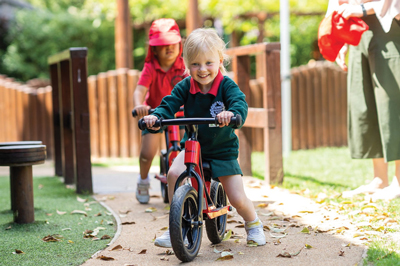
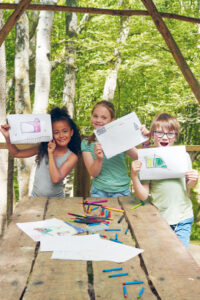
 Simple activities such as tree climbing and den building are rich in learning opportunities and should not be underestimated. When climbing a tree, children should be encouraged to consider their physical space, where their feet need to be placed, whether they feel comfortable and how high they think they should climb in order to stay safe. Parents should always be there to supervise but should contemplate the level of support given in order to develop their child’s own risk awareness and physical resilience. The simple act of climbing trees builds upper body strength, core stability and balance which are all gross motor skills which support progress in writing and Reception readiness.
 There is so much more to writing than tracing and forming letters. The simple act of taking your child to the woods gives them the chance to explore, climb trees, collect leaves and acorns, swing from branches, carry and roll logs and dig. These simple activities can all contribute to your child’s ability to be able to physically write when they enter their Reception year. Why not enhance your trip to the woods by taking some potato peelers and whittling freshly cut branches? A simple activity that teaches perseverance and concentration, requires force and control and uses both sides of the body, supporting progression in writing without actually writing.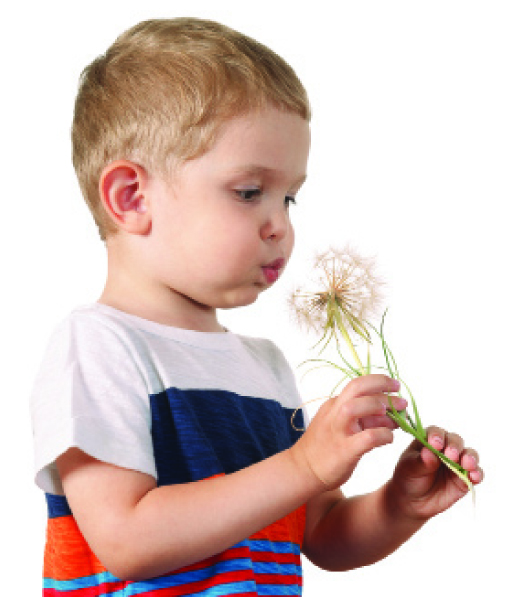
 One thing that remains steadfast and true is the importance of a positive and respectful teacher-pupil rapport. I strongly believe that the role of teacher is undoubtedly vocational and the ways in which an educator works is fundamental to the academic success and emotional wellbeing of each child. Since as long as I can remember, I have always been moved by the notion of paths crossing. I have met thousands of young people over the years and always count those moments as a deeply significant and profound part of this role. Our paths have crossed, so what can I now bring to this child? How can I unlock creativity? What will inspire this young person to achieve great outcomes? Who is this child? Those tacet questions signify the beginning of one of the most noteworthy relationships that a child will ever have. We all remember our teachers. We remember many of the conversations we had with them and how these made us feel and respond. We easily recall those that took time to get to know us and encourage us. We regrettably also very easily recollect those that saw us as mere numbers, and never as people, treating us in apparent accordance with that very mindset.