by Barnaby Sandow
Head of School, ACS International School Cobham
The great outdoors is an invaluable and immediate educational resource, uniquely placed to build children’s awareness of the world, while being highly beneficial to both their personal and academic development.
Outdoor learning can take many forms – from taking a maths lesson outside, to giving children the opportunity to explore the fauna and flora of their surroundings. As a result, it has a wide range of benefits.
Research has shown improved health and wellbeing as one of the many outcomes of outdoor learning. Learning in the great outdoors not only allows children to be more active during the school day and lead a healthier lifestyle, but also provides an opportunity for them to relax and subsequently feel more refreshed and ready to learn. Taking the classroom outside can also increase student engagement; outdoor settings have the ability to fully energise an inquiring mind in a completely different way to indoor classroom environments.
 Helping schools to enhance their outdoor learning offering and ensure children can enjoy meaningful and effective lessons, the Forest School Association offers a national accreditation that schools can apply for to deliver both structured and unstructured outdoor sessions. At our school, we have a long-established Forest School programme, led by our own Forest School accredited teachers and trainers, who are able to deliver valuable outdoor sessions for children from the age of two upwards.
The beauty of Forest School and general outdoor learning is that it offers children great variety in their learning. In one session, children could be asked to create natural inventions, such as flower crowns or pressed leaf drawings, and share stories with one another; this encourages creativity while enabling them to reflect on their experiences. In another session, children could be taught how to build a campfire and learn about fire safety, giving them the opportunity to physically test their skills in the real world and build the confidence to take risks in a supported and safe environment.
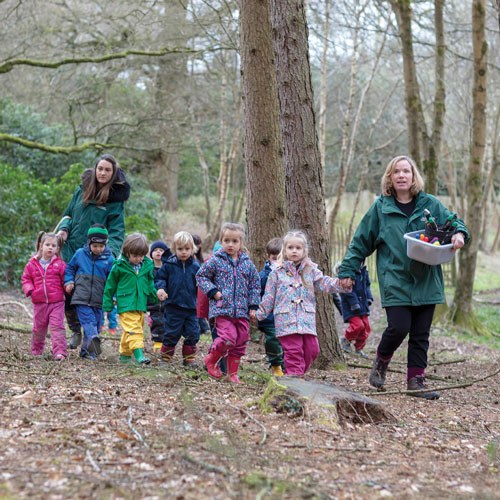
Forest School learning can see children journeying together through the woods or engaging in simple rough and tumble, which engage all of a child’s senses and are crucial for helping them to make sense of the world around them, while strengthening their communication and teamwork skills.
In outdoor sessions, children are also given free time to fully explore and interact with nature, being able to discover a variety of trees, plants and their surroundings in greater detail and learn about the world around them – in the most hands-on way possible.
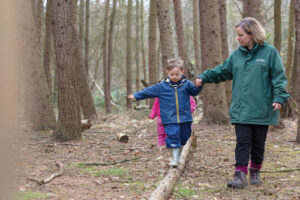
From ou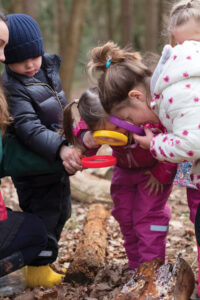 r experience, we have found that outdoor learning is particularly beneficial for younger children. They are given the space to be active and enjoy being noisy and messy, while engaging in play-based learning and exploration. With activities based on small, achievable steps, spending time outside helps to increase self-confidence and independence in the early years. Additional benefits of outdoor learning for younger children include improving their focus and attention, while physically helping to improve their balance, co-ordination and fine motor skills.
Beyond school, there are many ways that parents can facilitate outdoor learning in the evenings and the holidays to continue their child’s development at home. By encouraging simple and fun learning activities, such as den-building, painting a mural in the garden, or taking garden and wildlife photography, parents can help to spark the imagination of their child and increase their motivation to learn in all areas of their life – not just in the classroom!
For more information on ACS Cobham’s provision and to book an open day, please visit:
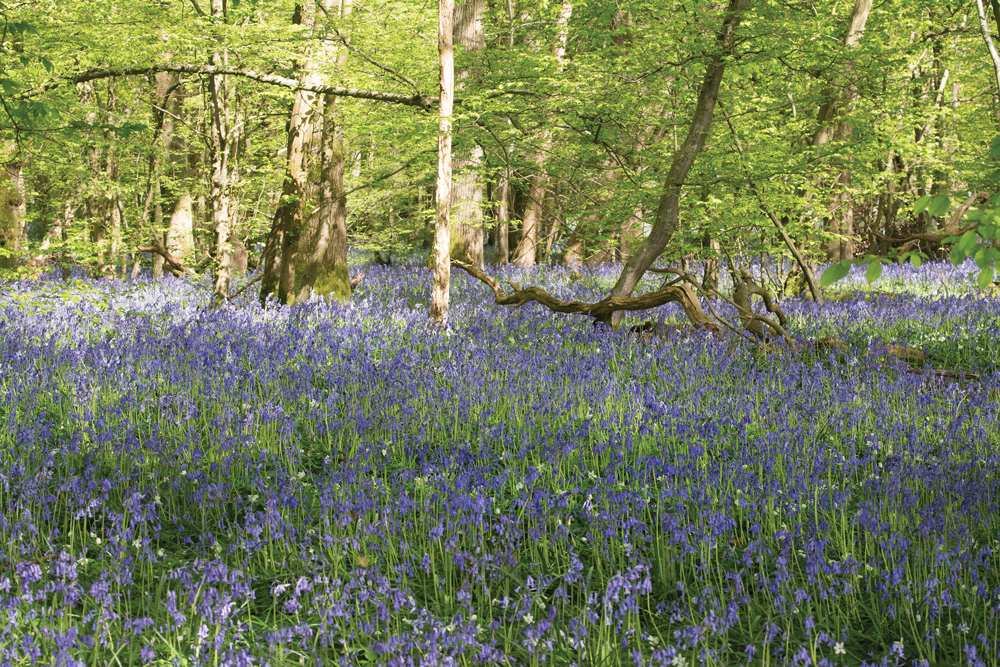
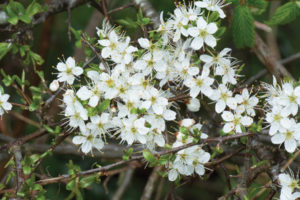 Sussex and Surrey have an abundance of woodlands – here the flowers appear early in the year when the ground has warmed up and it is light. Once the leaves on the trees have come out, the woods become too shady for most flowers to grow. Plants that take full advantage of the brighter spring conditions include wood anemones, bluebells, primroses, common dog-violets and lesser celandines. Of all these, perhaps the bluebell puts on the most impressive display, for few wild flowers cover the ground so completely or smell as sweet. Chinthurst Hill near Wonersh, Brede Hill near Battle, Heaven Farm near Uckfield and Angmering Woods near Arundel, all put on annual bluebell spectaculars along with a medley of other spring flowers.
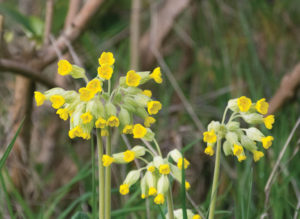 a captivating appeal for many people and to discover one is thrilling. Ditchling Beacon and Malling Down are excellent places to search for them. Look out now for the early purple orchid – its clusters of flowers, long spotted leaves and unpleasant smell help to identify it – and come back in the summer for more orchid spotting.
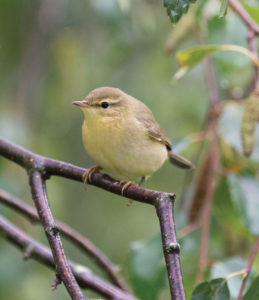 There is no better season for listening to bird song and often the adventures begin by simply opening a window! Every habitat has its own star performers with some having flown vast distances to be with us. If you want to hear some outstanding virtuosos then head to heathlands such as Chobham, Pirbright, and Iping and Stedham Commons. Here you may hear (if not see) buzzy Dartford warblers, melodious willow warblers or perhaps a chirring nightjar or two. Even more discrete than these birds are the nightingale – its drab, brown colouring making it almost impossible to spot in the dense undergrowth it inhabits. Its song, though, is unmistakable and the male sings both day and night until it finds a mate. Make your way to Ebenhoe Common, Pulborough Brooks and Puttenham Common for an unforgettable auditory experience. Make a note of International Dawn Chorus Day which is on Sunday 2nd May this year. Events are usually planned by a range of local wildlife groups.
 eep active and keep healthy
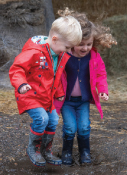 If it’s not possible to escape the colder months here in the UK and jet off to sunnier climes this year, then we might all just need to be a bit more creative in order to make sure we can still enjoy the great outdoors.
 Leave the picnic at home
 There’s no such thing as bad weather – just the wrong clothes, or so the saying goes…
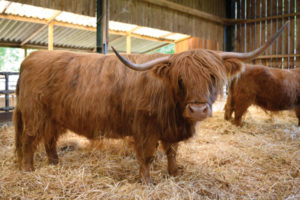
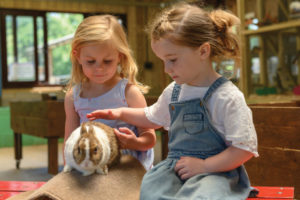 1 Seek out the animals who love the cold weather! You’ll find many types of animals in a farm park, especially those who just love the winter months. Highland cows are a great example of a hardy breed and they look pretty impressive even if a bit wet and bedraggled! Many of the farm attractions now have interesting ways to feed some of the animals yourselves, plus opportunities to book in for exclusive experiences – we have introduced a Mini Farmer experience and it has been a huge hit.