
Recycling at home
The ‘war on waste’ has been at the forefront of discussion around recycling recently, in the classroom and at home. These ideas can be challenging for pupils, however, by introducing them gradually using engaging and challenging resources, children can become prepared for the world they will inherit.
PlanBee, a leading online provider of primary school resources, has recently announced the launch of its new ESR (Education for Social Responsibility) packs. As the company celebrates these fantastic social responsibility resources, Oli Ryan, former teacher and resource creator at PlanBee, reveals his tips for encouraging children’s involvement in recycling at home.
Waste reduction tips:
Knowing how things are made, and the effort and resources that go into products we use, is central to understanding the importance of reducing wasteful or excessive use of everyday items.
Here are some tips for getting children to help reduce waste at home:
1. Go hunting for information books in the library, or for fun videos online, which show how everyday household products and items are manufactured.
2. Show children how little toothpaste, shower gel or toilet roll they actually need when they use it. You’ll reduce waste and save money!
3. Encourage friendly sibling competition. Ask “Who can make X last the longest?” Consider asking this about consumable items like shampoo, felt-tipped pens or colouring books. You can incentivise little challenges like these with simple rewards such as choosing a board game to play together, or a book to read at bedtime.
Tips on how to reuse:
Finding creative ways to reuse old materials is a great way to encourage your children’s creativity and natural curiosity.
Here are three ideas to try at home:
1. Keep a box of cellophane, cardboard and plastic packaging for children to use for art projects.
2. Plastic packaging in particular is great for green-fingered children. Virtually any container can be used as a plant pot or a watering can.
3. Think outside the box! Set challenges to keep kids preoccupied on rainy days or during school holidays – can they make a bird feeder using only scrap materials? Old packaging is great for 3D model making, which can assist your children when starting a project from scratch. Popular ideas from the classroom include building model robots, bridges or entire cityscapes using old boxes and bottles.
Simple recycling tips:
When it comes to recycling at home, children can be your best friends. We’ve all been guilty at times of throwing something away that could have been recycled, but once children know the benefits of recycling, they’ll often be more than happy to help.
Check out our top tips below:
1. Recycling is, essentially, fun – especially for children! There are little things nearly all children enjoy, like jumping on cardboard boxes to squash them down, or crushing aluminium cans with a can crusher – very satisfying!
2. Did you know that while plastic shampoo and shower gel bottles can be recycled, they have to be washed out first? Ask the children to do it – playing with squirty bottles and water is another simple pleasure most children will enjoy! Slightly older children will enjoy helping to recycle glass containers at the bottle bank: they love throwing bottles into the bank and hearing them smash!
3. Ask your children about recycling in all areas of their lives. Challenging them to consider what recycling is done in school, at home, and in other places they spend time, will encourage them to think holistically about reducing waste in every aspect of their lives.
Looking for more information and ideas on how to encourage education for social responsibility at home and in the classroom? Become a PlanBee member to gain access to an extensive range of KS1 and KS2 lesson resources.
www.planbee.com

 scussing the news might not be a part of everyday conversations. The increased use of technology might mean there are fewer opportunities for having a chat and as a lot of the news can be quite negative, many parents may want to shield and protect their children from it.
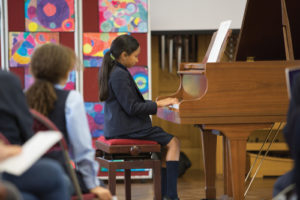 Often parents are driven to want their daughter to be ‘the best.’ At Prep School level this is only ever short-lived – how often is the tallest girl still the tallest by 14 or the top scorer still the most academically successful later on in their schooling? Rarely is this the case, since development is not linear and there are peaks and troughs along the way.
 It is only as children become slightly older that they begin to grapple with the complexities and demands which come with being successful. Our job is to be the gentle palm in the small of their backs to guide and lead, to inspire and support and to catch when the occasional but necessary fall comes about. The key is for us to tap into what motivates, excites and stimulates the girls in order that they can find pleasure and satisfaction in meeting the challenges they face. In doing so, they will develop a lifelong love of learning. Truly creative and original thought requires failure. Every girl has a distinctive set of drivers and talents; if we spend time discovering what they are we have gone a long way in encouraging their failure and ultimate success.