by Kritee Bhandari, Parenting Writer
Big feelings are normal – but hitting doesn’t have to be. With calm, consistent responses, parents can guide toddlers to express emotions safely and build lifelong emotional skills.
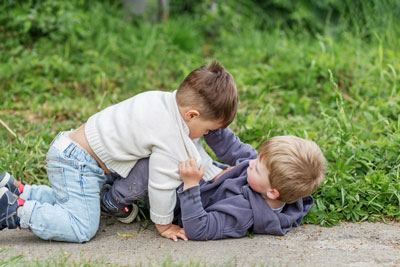
Toddlers don’t hit because they are ‘bad’. They hit because their feelings – anger, frustration or overwhelm – are bigger than the words they have to express them. At this stage, the part of the brain responsible for self-control is still developing, so emotions often come out through actions instead of language.
Understanding this helps parents respond with calmness and intention, turning challenging moments into teaching opportunities.
What NOT to do:
• Shout or react angrily
• Give long lectures or moral explanations
• Ask “Why did you hit?” (toddlers usually don’t know)
• Take it personally.
What actually works:
Block calmly –“I won’t let you hit.” Gentle but firm boundaries help children feel safe and understand limits.
Name the feeling –“I see you’re upset.” This helps children connect emotions with language.
Show the right action –“Hands are for safe touch.” Demonstrate what you want them to do instead.
Give a safe outlet –“You can push a pillow, stomp your feet, or say STOP.” Redirecting energy builds self-control.
Teach after they calm down
Learning works best once emotions settle, not during a meltdown.
Model calm behaviour
Children learn more from what we do than what we say.
Praise small successes
“Thank you for using your words!” Positive reinforcement encourages repetition.
Be consistent
Repetition helps toddlers understand expectations and build emotional habits.
Extra tips for parents:
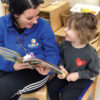
Predictable routines reduce overwhelm and frustration. Play, stories and books can help children understand emotions in a safe way. Praise effort as well as behaviour, and help children connect actions with feelings.
Parents also play a key role in modelling calm responses – deep breaths, pausing and gentle language all teach emotional regulation.
Teaching empathy is important too: “Hitting hurts others”. This helps children begin to understand how their actions affect people around them.
Starting young matters
Children begin learning emotional skills from a very young age. Gentle, consistent guidance helps them build confidence, kindness and social awareness.
Watching calm behaviour in adults teaches them more than instructions alone.
Small daily moments – waiting, sharing, using words – slowly build lifelong emotional skills.
As parents, staying calm and consistent is key, because children learn most from what they observe.
Every calm, consistent response is a small step toward helping your child manage big emotions – one moment at a time. Start today, and watch your toddler learn to express feelings safely and confidently.
Kritee is a mum of two who writes about motherhood, family life, and simple ways to create joy in everyday moments.