
by Kat Field, Marketing Campaign Manager at Lancing College
From confidence-building to creativity, activity camps are helping children thrive during the school holidays.
School holidays provide children and teenagers with something increasingly valuable: time away from the pressures of routine, homework and constant screen use. While downtime is important, many parents also look for ways to ensure school breaks remain stimulating, social and beneficial for their children’s development. This is where holiday activity camps have become such an important part of modern family life.
Across the UK, activity camps are growing in popularity because they offer far more than simple childcare. They provide young people with opportunities to build confidence, stay active and develop social skills as well as discover new interests in an environment that feels exciting and supportive. For children of all ages, these experiences can have a lasting positive impact that extends well beyond the school holidays themselves.
One of the greatest benefits of activity camps is the encouragement they give children to step outside their comfort zones. During term time, many children stick to familiar routines and friendship groups, but camps often introduce them to new people, new activities, new surroundings and new challenges. Whether it is trying a sport for the first time, taking part in a drama workshop or learning a creative skill, children are given the chance to explore abilities they may never have discovered otherwise.
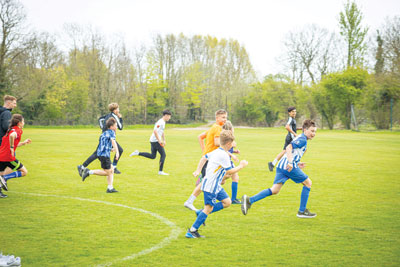
The right camps help build confidence and self-esteem, even small things like speaking up in a group activity, joining a team game or making a new friend can help young people feel more confident in themselves. Physical activity is another major advantage. Activity camps give children the chance to stay active, exercise and enjoy spending time outdoors. They also encourage children to take a break from TV, computer games and tablets. Team sports, outdoor games and adventure activities help children stay active while also improving coordination, resilience and teamwork.
At the same time, many camps balance physical activities with creativity. Arts and crafts, music, dance and drama sessions all allow children to express themselves in different ways and develop important creative thinking skills. This combination of active play and creative exploration supports well-rounded development and helps children discover new passions and interests.
Social interaction is another key reason activity camps are so valuable. School holidays can sometimes feel isolating for children, especially if parents are working or friendship groups are away. Camps bring together children from different schools and backgrounds, helping them build communication skills and broaden their social circles. Learning how to cooperate, solve problems together and form new friendships are experiences that contribute significantly to emotional development.
Importantly, camps also help children develop independence. Spending time away from home but in a safe and supervised setting encourages young people to make decisions for themselves, manage routines and become more self-reliant. For younger children, this may mean learning to participate confidently in group activities. For older children, it could involve taking responsibility during team challenges or leadership tasks. These experiences gradually build maturity and resilience in a natural and enjoyable way.
For parents, activity camps can also provide reassurance and flexibility during school holidays. Many families juggle work commitments alongside childcare needs, and camps offer structured, reliable programmes that keep children engaged throughout the day. Knowing children are spending their time in a safe, supervised and enriching environment gives parents peace of mind while allowing young people to enjoy productive and memorable holidays.
Another reason activity camps continue to thrive is the variety they offer. No two days are usually the same, which keeps children engaged and excited to return. One day might involve sports and outdoor adventures, while the next focuses on art projects, inflatables, drama or team competitions. This variety not only prevents boredom but also helps children discover interests they may wish to pursue further outside of camp.
Many schools and organisations now recognise the wider developmental value of holiday camps and have invested in programmes designed to support both enjoyment and personal growth. For example, Lancing College Activity Camps combine sports, creative activities and outdoor experiences within the college’s extensive grounds. Programmes are tailored to different age groups, helping younger children explore through imaginative play while encouraging older children to challenge themselves through team activities and new experiences. Like many successful holiday camps, the emphasis is placed on confidence-building, social interaction and active learning in a supportive environment.
The long-term benefits of activity camps should not be underestimated. In a world where young people spend increasing amounts of time online, opportunities for real-world interaction, creativity and active play have never been more important. Activity camps provide a valuable balance – combining fun, learning and personal development in ways that support children emotionally, socially and physically.
Ultimately, the best holiday experiences are those that allow children to grow while enjoying themselves. Activity camps achieve exactly that, helping young people build confidence, independence and lasting memories that remain with them long after the holidays have ended.
Lancing College offers inspiring holiday camps with sports, arts, adventure and teamwork for children aged 5-12 in beautiful surroundings.
To find out more please visit www.lancingcollege.co.uk/activity-camps