
by Matthew Jelley, Head of Junior School, Claremont Esher
Education extends beyond lessons and assessments. Every child has different interests, strengths and talents waiting to be discovered, and thoughtfully designed enrichment experiences give young children the opportunity to explore, create, connect and grow.
Through a rich blend of creative, sporting, cultural and collaborative activities, alongside nurturing wraparound care, children develop essential qualities such as resilience, confidence, teamwork and self-belief. These experiences help children feel secure, valued and ready to embrace school life, developing a lifelong love of learning from the very beginning.
When choosing a nursery or junior school, parents naturally look first at the quality of teaching, pastoral care and the foundations children will build in the classroom. But a child’s education is shaped by much more than lessons alone.
The experiences children have beyond the classroom can play a powerful role in helping them discover who they are, what they enjoy and what they are capable of achieving. A strong co-curricular programme is not simply a timetable of clubs; it is a reflection of a school’s ethos, culture and commitment to helping every child flourish.
The best programmes recognise children as individuals. Some find their confidence through sport, others through music, drama, technology, outdoor exploration or creative pursuits. A broad range of opportunities allows children to try something new, discover hidden talents and develop skills that will support them throughout their lives.
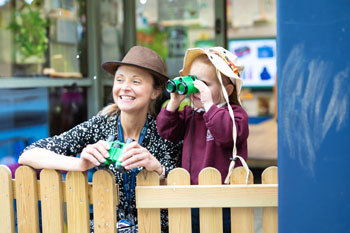
For younger children especially, exploration is essential. Building a den, creating a piece of artwork, caring for the environment, making music or culinary delights, or working as part of a team all provide valuable opportunities to develop curiosity, creativity, resilience, communication and problem-solving skills.
A programme shaped by children and families
When considering a school’s co-curricular offering, parents should look beyond the number of activities available and ask: how and why has this programme been created?
The strongest enrichment programmes are built to enrich a child’s experience and to continue the learning experience to better understand themselves, others and the world around them. Programmes are best curated by listening too – to the voices of children, families and staff. Schools that actively seek feedback are better placed to understand what excites pupils, what families value and what practical arrangements make activities work best to complement busy family life.
Parent surveys, focus groups and informal conversations can help shape everything from the types of clubs offered to timings, accessibility and the balance between challenge, creativity and wellbeing.
Children’s voices are crucial. Pupil councils, idea-sharing sessions and creative workshops can reveal interests and suggestions that adults might not anticipate. When children are involved in shaping opportunities, they develop a greater sense of ownership and connection, thus participation is higher.
This collaborative approach helps create a programme that feels purposeful and inclusive – one that reflects the needs and interests of the whole school community.
Helping children discover their passions
A broad co-curricular programme should encourage children to explore beyond their comfort zone while ensuring they feel supported.
For younger pupils, trying something unfamiliar can sometimes feel daunting. Schools can help by creating opportunities for children to discover what is available, such as club fairs where pupils can meet activity leaders, see demonstrations and hear from other children about their experiences.
Encouraging participation is important, but so is flexibility. Children’s interests change, and not every activity will be the right fit. A positive co-curricular culture reassures children that it is perfectly acceptable to try something new and make a different choice if it does not suit them.Many schools also use participation awards, enrichment passports or recognition schemes to celebrate involvement across a wide range of activities. These approaches help children understand that commitment, curiosity and effort matter – whether they are developing a sporting skill, learning an instrument, creating something new or contributing to their community.
Beyond the school gates
A rich co-curricular programme also helps children understand their place in the wider world.
Meaningful opportunities can connect children with their local communities through partnerships with charities, environmental groups, sports organisations and specialist providers. These experiences introduce children to new skills, perspectives and people, while helping them recognise that they can make a positive contribution from an early age.
Local initiatives, community projects and service opportunities can develop empathy, responsibility and confidence. Specialist activities, from sports coaching to performing arts and technology, can help children refine skills and pursue interests in greater depth.
Building confidence through relationships
One of the greatest benefits of co-curricular life is the sense of belonging it creates.
The strongest programmes bring together the whole school community – teachers, support staff, specialists and older pupils – creating opportunities for children to build relationships beyond their immediate classroom.
A teacher sharing a passion through a club, an older pupil mentoring younger children, or a specialist introducing a new skill can all have a lasting impact. These connections help children feel known, valued and part of something bigger than themselves.
Supporting modern family life
For many families, wraparound care is often an important part of choosing a nursery or junior school. However, the best provision offers far more than supervision before and after lessons.
High-quality wraparound care extends the school day in a purposeful way, providing opportunities for children to relax, socialise, complete homework, enjoy activities and spend time with friends in a supportive environment.
For busy families, this can transform the rhythm of the day. Knowing that homework may be completed, children have eaten and evenings can be focused on quality family time can make a really significant difference.
For younger children, a nurturing and consistent environment helps them feel secure. For older pupils, it provides independence, enrichment and additional support.
More than clubs
Ultimately, co-curricular opportunities are about helping children understand themselves and the world around them.
The most successful programmes are not defined simply by the number of activities they offer, but by the culture they create: one where children feel encouraged to try, supported to grow and confident enough to discover new possibilities.
For parents choosing a nursery or junior school, life beyond the classroom can reveal a great deal about a school’s values. Does it listen to children and families? Does it celebrate different strengths and interests? Does it create opportunities for every child to belong?
Because the hidden curriculum – the experiences, relationships and opportunities that shape children every day – can be just as influential as the timetabled lessons they learn. It is through these experiences that children develop the confidence, resilience and curiosity to thrive throughout their educational journey and beyond.
Nestled in 100 acres of historic parkland in Esher, Surrey, Claremont is an independent co-educational HMC school for girls and boys aged two to eighteen, offering an academically ambitious environment that inspires and nurtures the whole child.
For further details please visit www.claremontfancourt.co.uk