
by Ben Murray
Dukes Education Group Ltd
Helping little ones breathe easier during the changing seasons
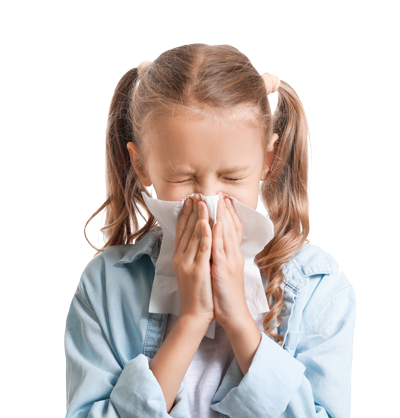
For many families, spring and summer bring lighter evenings, outdoor play and family adventures. But for some young children, these seasons also introduce sneezing, itchy eyes and unsettled sleep. Seasonal allergies, often referred to as hay fever, are increasingly common in early childhood, and while they are more frequently diagnosed in older children, babies and toddlers can experience symptoms too.
For parents of children aged under five, recognising the signs early and knowing how to support your child both at home and in their early years setting can make a significant difference to their comfort, wellbeing and ability to enjoy daily activities.
What are seasonal allergies in young children?
Seasonal allergies occur when the immune system overreacts to airborne allergens such as pollen from grass, trees or weeds. In young children, symptoms can sometimes look different from those seen in adults and may include:
• A constantly runny or blocked nose.
• Frequent sneezing.
• Red, itchy or watery eyes.
• Irritated skin or eczema flare-ups.
• Coughing, particularly at night.
• Increased tiredness or irritability.
Because colds are common in the early years, allergies can easily be mistaken for repeated infections. One helpful clue is duration – allergy symptoms tend to persist for weeks and may worsen outdoors or at specific times of year.
Why early support matters
Under the Early Years Foundation Stage (EYFS), children’s health and wellbeing are central to their learning and development. When a child is uncomfortable or struggling to sleep due to allergies, it can affect their mood, appetite, concentration and enjoyment of play.
Supporting allergies effectively is not just about symptom relief – it helps children feel safe, settled and able to engage fully with their environment. It also supports the development of healthy self-awareness as children begin to recognise and communicate how they are feeling.
Practical ways parents can help at home
There are many simple, evidence-informed steps parents can take to reduce allergen exposure and ease symptoms:
• Check pollen forecasts and plan outdoor activities for times when levels are lower, such as early morning or after rainfall.
• Change clothes and wash hands and faces after outdoor play to reduce pollen being brought indoors.
• Keep windows closed in bedrooms during high pollen periods, especially at night.
• Maintain good sleep routines, as tiredness can worsen allergy symptoms.
• Speak to a pharmacist or GP before giving any allergy medication to young children, particularly under the age of five.
• For babies and toddlers who cannot yet describe how they feel, observing changes in behaviour, sleep or feeding can help parents identify when allergies may be affecting them.
Supporting allergies in Early Years settings
In high-quality Early Years provision, supporting children with allergies is part of a broader commitment to inclusive, responsive care. At our nurseries, we work closely with families to ensure every child’s individual needs are understood and supported.
Our approach includes:
• Clear allergy information sharing: Parents provide detailed health information on enrolment, including known or suspected allergies. This information is regularly reviewed and updated.
• Individual care plans: Where a child has diagnosed allergies, we work with parents and health professionals to create a tailored care plan, ensuring consistent support across the day.
• Staff training: Our teams receive regular training on recognising allergy symptoms, administering medication where appropriate, and responding calmly and confidently to children’s needs.
• Environmental awareness: We carefully plan outdoor play, balancing the benefits of fresh air and physical activity with awareness of pollen levels and children’s sensitivities.
• Communication with families: Ongoing, open communication ensures parents know how their child has been during the day and can share any changes in symptoms or treatment.
Importantly, we approach allergy management in a calm, reassuring way, helping children feel secure rather than anxious about their symptoms.
Helping children build resilience and awareness
Even at a young age, children can begin to understand their bodies. Simple, age-appropriate language such as “Your eyes feel itchy today, so we’re going to help them feel better” supports emotional development and self-confidence.
Encouraging children to wash hands, blow noses gently (when developmentally appropriate), and rest when needed builds early self-care skills. These small routines align closely with EYFS principles of promoting independence and wellbeing.
Working together for children’s wellbeing
Seasonal allergies can be challenging, but with the right support, children can continue to enjoy exploring, learning and playing throughout the year. When parents and Early Years providers work in partnership, sharing information and best practise, children benefit from consistent, nurturing care wherever they are.
By staying informed, responsive and child-centred, we can ensure that even during peak allergy seasons, our youngest children feel comfortable, supported and free to thrive.
Dukes Education Group run both Hove Village and Reflections Nursery and Forest School in Sussex.
To discuss opportunities at Hove Village please call 01273 037449 or visit www.hovevillage.com
To discuss opportunities at Reflections Nursery please call 01903 251518 or visit www.reflectionsnurseries.co.uk
Dukes Education Group run both Riverside Nursery Schools and The Kindergartens in Surrey/London.
To discuss opportunities at Riverside Nursery Schools please call 020 3475 0455 or visit www.riversidenurseryschools.com
To discuss opportunities at The Kindergartens please call 020 7326 8765 or visit www.thekindergartens.com