by Bronia Grehan
Head at St Christopher’s School and Nursery, Epsom
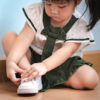
The early years, from birth to five, are full of incredible growth. During this time, children discover who they are, how the world works and what they can do. One of the most important skills they develop is independence. It is much more than being able to put on shoes or pour a drink. Independence supports confidence, emotional wellbeing, creativity and the ability to learn and adapt.
In nurseries and pre-prep schools that take a child-centred approach, independence is built naturally into everyday life. It appears in routines, play, friendships and self-care. When children are trusted with small, achievable responsibilities, they become more confident, curious and ready to explore.
At our school, even at nursery age, our children get opportunities to initiate their own activities as we balance teacher-led and child-initiated learning, giving children the freedom to explore, think critically and develop their creativity.
Why independence matters
Parents often think of independence as simply ‘doing things for themselves’, but it reaches much deeper than that. Giving children small responsibilities helps them build confidence, because they learn that their choices matter and that they are capable. Challenges that feel slow, messy or frustrating at first, teach valuable lessons in patience and resilience. Choosing activities, exploring freely and trying things out helps children grow socially, emotionally and academically. When children are encouraged to think and try for themselves, they become active, curious learners who are eager to explore rather than waiting to be shown what to do.
Independence is not about expecting children to manage everything alone. It is about helping them feel secure, capable and ready to take on new challenges.
What an independence-friendly environment looks like
Settings that support independence make it easy for children to do things for themselves. Toys and materials are kept within reach. Shelves and storage are clearly organised, and activities are set up so children can confidently choose what interests them.
Teachers break down tasks into simple steps and demonstrate them first, whether children are experimenting with early mark-making or learning how to tidy up. Children are encouraged to make small decisions, such as choosing a story or selecting materials. These moments help them feel heard and trusted. They also learn to ask friends for help, work together and take responsibility for shared spaces, such as hanging up coats or putting toys away.
Independence in the early years is about striking a balance. Children are given the freedom to explore while still receiving support when they truly need it.
Practical strategies that nurture independence
Simple routines make a big difference. When children know what to expect, such as unpacking a bag, hanging up a coat or washing their hands, they naturally become more responsible. Even if it takes longer at first, letting them try helps these tasks become habits over time.
Offering small choices also builds confidence. Allowing a child to pick between two snacks, choose a jumper or decide what to play with next gives them manageable opportunities to make decisions. This helps them learn to express their preferences and trust their own judgement.
A well-organised space supports independence too. Low hooks, reachable shelves and neatly labelled boxes allow children to find and return things without needing an adult. Teachers often ‘show and then step back’. They model a task, offer gentle guidance and then give children space to try it themselves.
Unstructured, child-led play is another powerful driver of independence. When children build, imagine, explore and negotiate with others, they are practising decision-making and problem solving in a natural way. This is particularly evident in our Forest School where the children learn through physical play and exploration in the outdoor environment, after direct teaching from our specialist teacher, which supports confidence and independent thinking.
How parents can support independence at home
Children make the fastest progress when home and school work together. Parents can support independence through simple daily habits. Involving children in small routines such as unpacking bags, hanging coats or collecting a snack helps them take responsibility. Offering choices between two outfits, snacks or bedtime stories gives them safe opportunities to make decisions. Encouraging them to look after toys, books and clothes builds a sense of ownership. Supporting early self-care skills, such as brushing teeth, getting dressed or washing hands, also helps them gain confidence. Allowing periods of uninterrupted play, while staying close by if needed, creates room for exploration. Praising effort and persistence shows children that their attempts matter, even when things are not perfect.
At our school we use a child-size kitchen in the nursery where children have the opportunity to cook in some way, every
day. The children are given tasks such as grating, cutting, cooking or baking dishes such as apple crumble, hedgehog bread rolls during the autumn and birthday cakes to celebrate birthdays together.
Balancing support with freedom
Supporting independence does not mean stepping away completely. Too much freedom can feel overwhelming, while too much control can hold children back. The key is finding a middle ground, being available and steady while still encouraging small steps forward.
Children also need emotional support as they grow. Talking things through, modelling kindness and helping them navigate social situations all give them the tools to make good decisions and cope with challenges.
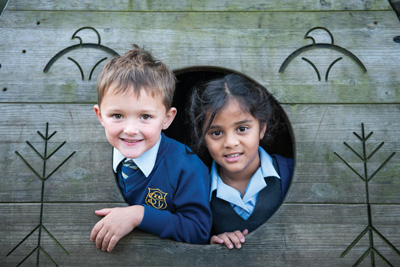
We have a House system which fosters responsibility, belonging, and peer leadership, helping children develop agency and social independence. Year 2 pupils are given meaningful opportunities to grow as leaders across the classroom, playground and wider school community, strengthening skills such as communication, collaboration, problem solving and decision-making.
Children take on roles such as prefect, librarian, eco-captain, or Chair of School Council, experiencing leadership in action. They also contribute to class projects, lead parts of assemblies and support school events.
By reflecting on these experiences, pupils learn to take responsibility, listen to others, share ideas confidently and work towards solutions as part of a team. We aim to nurture confident, caring young leaders who make a positive impact on their school community.
A lasting gift
Encouraging independence in early childhood is one of the most powerful gifts we can offer. It is not just about shoes, coats or tidy-up time. It is about helping children believe in themselves.
Every small moment counts. Choosing a book, pouring a drink, solving a disagreement or building a tower all help children develop confidence and resilience. These experiences shape the kind of learners, and people, they will become.
By offering gentle support, stepping back at the right moments and allowing space to try, we help children grow into self-assured, curious and capable individuals who feel ready to explore the world.
St Christopher’s is an independent Pre-Prep and Nursery for children from 2 ¾ to 7, based in a leafy residential road close to Epsom town centre.
It has recently been named Independent Pre-Prep of the Year 2025 in recognition of its exceptional approach to early years education and unwavering commitment to giving children the very best start in life.
www.st-christophers.surrey.sch.uk