
by Samantha Forrest
nutritionist and founder of Fussy Food Plates
Building food confidence in children through sensory play and visual tools
Many parents worry when their child seems stuck eating only beige foods like toast, pasta, crackers or chicken nuggets. While it can feel frustrating, this behaviour is common and often has less to do with fussy behaviour and more to do with how children process the world around them.
As a qualified nutritionist and mother of three, I’ve worked with lots of families who are exhausted from mealtime battles. They want to encourage healthy eating but feel like nothing works. What many do not realise is that the key to change often lies not in what’s on the plate but in how children are supported to explore food on their own terms.
Beige foods are predictable. They usually have a soft texture, mild flavour and a familiar appearance. For many children, especially those with sensory sensitivities, predictability feels safe. Bright colours, mixed textures or strong smells can be overwhelming. For a child who is already anxious or sensitive, even a small change to their usual food can trigger a complete refusal.
Children who are considered fussy eaters are often simply children with heightened sensory responses. Understanding this is the first step in helping them move from beige to brave.
The goal in these situations is not immediate variety, it is building food confidence. A child who feels relaxed, curious and in control around food is far more likely to try new things over time. Confidence comes before acceptance. That confidence is built through play, exposure and removing pressure from the eating experience.
Sensory food play allows children to interact with food using all of their senses, not just taste. This might include touching, smelling, listening, squashing or simply observing. The key is removing any expectation to eat. When the pressure is off, the nervous system remains calm. Calm children are curious and curiosity is where progress begins.
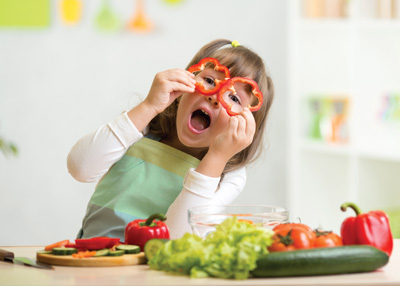
You do not need complicated activities to get started. Simple ideas can work beautifully. Try offering food builders like stackable cubes of cheese or cucumber. Present dips in a tray with familiar foods and let your child play. Invite them to create food faces or pictures on their plate. Make it fun. Let them squish, lick, roll or even mash their way to familiarity. Remember that touching and smelling count as progress.
Visual tools can also play an important role. Children feel safer when they can clearly see what is on offer. Fun plates, separate food items and consistent routines can help reduce anxiety. When foods are not mixed or hidden, children feel more in control.
You can also build food confidence away from the table. Get children involved in shopping, washing vegetables or helping with food prep. Read books that feature food. Watch age-appropriate cooking clips together. Every exposure counts, even when no eating happens.
One of the most common questions I am asked is how to get children to just try a bite. It is a natural instinct for parents to want to nudge their children forward. However, pressure often backfires. When a child feels forced to eat, their stress response is triggered. This shuts down curiosity and makes future progress harder.
Instead, shift the language. Try saying “You don’t have to eat it” or “You can explore it with your hands today”. Give them space to come to the food on their terms. Over time, this builds trust and, with trust, comes progress.
It is important to remember that every child’s timeline is different. For some, progress may look like tasting a new food within a few days. For others, it might take weeks of touching and smelling before they feel safe enough to take a bite. Both are valid.
From beige to brave is not a sprint. It is a gentle, supportive journey that prioritises confidence over control. By creating a safe and playful food environment, we help our children develop a healthier relationship with food. This is not about forcing broccoli. It is about helping them feel calm, curious and in charge.
When we stop focusing on what children eat in the moment and instead focus on helping them feel good around food, change begins. It may be slow, it may be messy, but it is always possible.
Samantha Forrest is a qualified nutritionist and founder of Fussy Food Plates, supporting families to reduce mealtime stress and build food confidence. For more information please visit www.fussyfoodplates.com